


Diabetic Eye Exams in Mandeville: What Your Local Optometrist Looks For
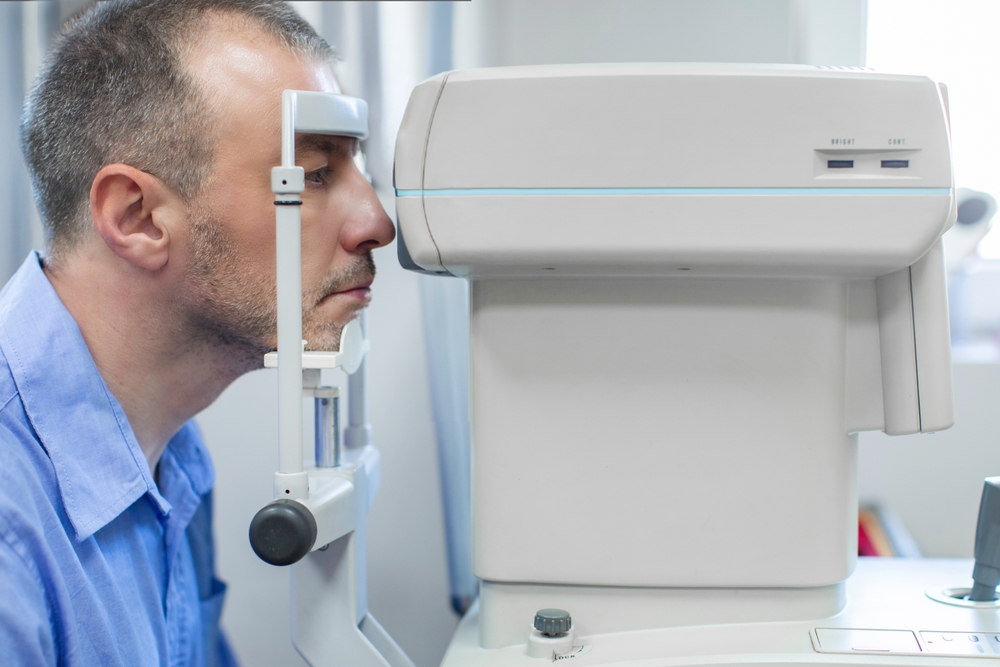
Diabetes can affect more than your blood sugar. It can also impact your eyesight, sometimes without noticeable symptoms in the early stages. Regular diabetic eye exams are essential for detecting changes before they lead to serious vision problems. At Vision Source Mandeville, we help patients in Mandeville, LA, monitor their eye health and identify potential complications related to diabetes.
Why Are Diabetic Eye Exams Important?
High blood sugar levels can damage the tiny blood vessels in your retina, the light-sensitive tissue at the back of your eye. Over time, this damage can lead to diabetic retinopathy, a condition that may cause vision loss if left untreated.
Diabetes also increases the risk of other eye conditions, including cataracts and glaucoma. Because these problems can develop gradually, you may not notice changes in your vision until significant damage has occurred.
Our goal during a diabetic eye exam is to identify early warning signs, monitor changes, and recommend appropriate next steps to protect your eyesight.
What Does Your Optometrist Look For During a Diabetic Eye Exam?
During a comprehensive diabetic eye exam in Mandeville, we evaluate several aspects of your eye health to identify complications associated with diabetes.
Some of the key signs and conditions we look for include:
Diabetic Retinopathy: Damage to retinal blood vessels that may cause bleeding, swelling, or abnormal blood vessel growth.
Diabetic Macular Edema: Fluid buildup in the macula, the central part of the retina responsible for sharp, detailed vision.
Cataracts: Clouding of the eye's natural lens, which can develop earlier in people with diabetes.
Glaucoma: Damage to the optic nerve, often associated with elevated eye pressure, that can gradually affect peripheral vision.
Changes in Vision: Fluctuations in visual clarity that may occur when blood sugar levels change.
By identifying these concerns early, we can help patients understand their eye health and determine whether additional monitoring or specialized care is necessary.
What Happens During a Diabetic Eye Exam?
A diabetic eye exam involves more than checking whether you need glasses or contact lenses. We assess your vision and examine the internal structures of your eyes for signs of diabetes-related damage.
Depending on your needs, the examination may include visual acuity testing, eye pressure measurements, retinal imaging, and a dilated retinal examination.
Dilating your pupils allows us to examine the retina and its blood vessels more thoroughly. Retinal imaging can also help document changes over time.
If we identify signs of diabetic eye disease, we can discuss our findings and recommend further evaluation or coordinate care with an appropriate specialist.
How Often Should You Schedule a Diabetic Eye Exam?
Most people with diabetes need a comprehensive dilated eye exam at least once a year, although the recommended schedule depends on the type of diabetes, previous findings, and individual risk factors. Some patients may require more frequent monitoring.
Even if your vision seems perfectly normal, regular appointments are important because diabetic retinopathy may develop without obvious symptoms.
If you experience sudden vision loss, new floaters, flashes of light, or other unexpected visual changes, seek prompt eye care rather than waiting for your next scheduled examination.
Protect your eyesight with regular diabetic eye exams. Contact Vision Source Mandeville in Mandeville, LA, at (985) 300-5700 to schedule your comprehensive eye exam and take a proactive approach to your long-term eye health.


Contact Us


© 2026 Vision Source Mandeville. All Rights Reserved. Accessibility Statement - Privacy Policy - Sitemap
Powered by: 