

Common Retinal Diseases: Symptoms, Risk Factors, and Early Detection
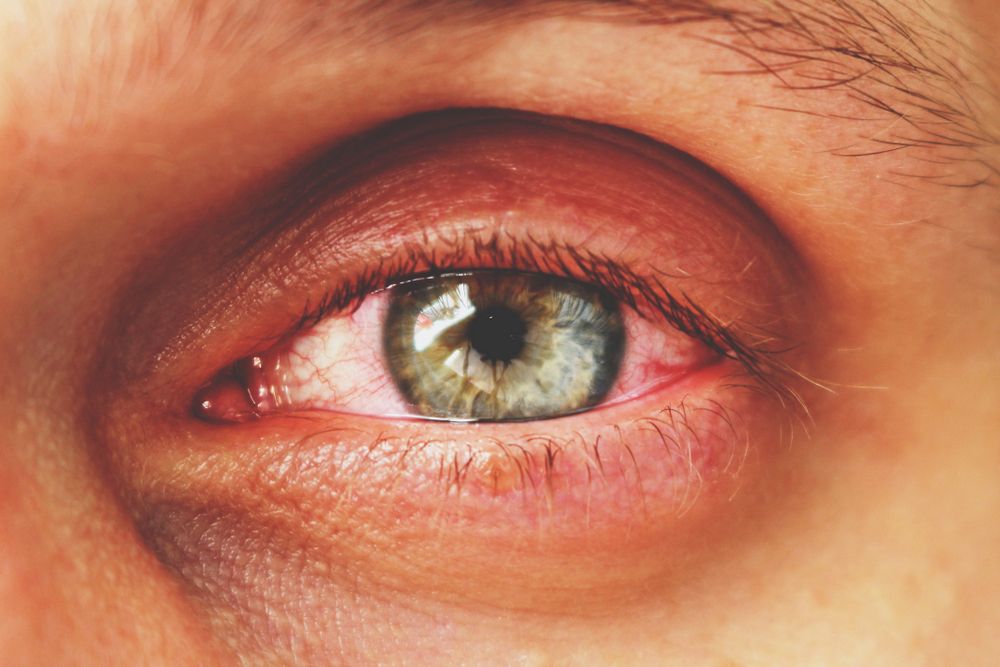
Your retina plays a critical role in your ability to see clearly. Because the retina is so essential to vision, any damage or disease affecting it can significantly impact sight. Many retinal diseases develop gradually and may not cause noticeable symptoms in the early stages. Understanding the most common retinal diseases, their symptoms, and risk factors can help you know when it’s time to seek professional care.
Understanding Retinal Health and Common Diseases
What Is the Retina and Why Is It Important?
The retina is a thin layer of light-sensitive tissue lining the inside of the eye. It captures incoming light and sends visual signals to the brain through the optic nerve. When the retina functions properly, it allows you to see clearly, recognize faces, read, and perceive color and detail.
When retinal diseases occur, this process is disrupted. Depending on the condition and its severity, retinal damage can lead to blurred vision, distorted sight, or even permanent vision loss if not treated promptly.
Age-Related Macular Degeneration (AMD)
Age-related macular degeneration affects the macula, the central part of the retina responsible for sharp, detailed vision. AMD typically develops in adults over the age of 50 and is one of the leading causes of vision loss in older adults.
Common symptoms include:
Blurred or distorted central vision
Difficulty reading or recognizing faces
Dark or empty areas in the center of vision
While AMD does not usually cause complete blindness, it can significantly affect daily activities that rely on detailed vision.
Diabetic Retinopathy
Diabetic retinopathy occurs when high blood sugar damages the small blood vessels in the retina. Over time, these blood vessels may leak fluid, swell, or close off completely.
Symptoms may include:
Blurry or fluctuating vision
Dark spots or floaters
Difficulty seeing at night
Vision loss in advanced stages
People with diabetes are at higher risk, especially if blood sugar levels are poorly controlled.
Risk Factors for Retinal Disease
While some retinal diseases develop with age, several risk factors can increase your likelihood of developing retinal problems.
Common risk factors include:
Age over 50
Diabetes
High blood pressure
Smoking
Family history of retinal disease
High levels of cholesterol
Severe nearsightedness
Managing these risk factors through healthy lifestyle choices and medical care can help reduce the likelihood of retinal complications.
The Importance of Early Detection
Many retinal diseases begin without obvious symptoms, making early detection crucial. Medical eye exams allow eye doctors to examine the retina using specialized imaging and diagnostic tools.
Early detection offers several important benefits:
Treatment can begin before significant vision loss occurs
Disease progression can often be slowed or managed
Long-term eye health can be preserved
Patients with conditions such as diabetes or those with a family history of retinal disease should schedule regular eye exams to monitor retinal health.
Stay Ahead of Retinal Disease at Vision Source Mandeville
Retinal diseases can have a serious impact on vision, but early detection and proper care can make a significant difference. Understanding the symptoms and risk factors of common retinal conditions can help you recognize potential problems before they progress. Routine eye exams play a vital role in protecting your sight and ensuring that any retinal concerns are identified and treated as early as possible.
Contact Vision Source Mandeville to schedule your eye exam and take a proactive step toward protecting your vision against retinal disease. Visit our office in Mandeville, Louisiana, or call (985) 300-5700 to book an appointment today.


Contact Us


© 2026 Vision Source Mandeville. All Rights Reserved. Accessibility Statement - Privacy Policy - Sitemap
Powered by: 